When Your Child Says, “My Tooth Hurts…”
It usually starts with something small.
Maybe your child avoids chewing on one side of their mouth.
Maybe they suddenly complain that cold drinks hurt.
Perhaps you notice a tiny dark spot on a tooth while helping them brush.
Or maybe there are no symptoms at all—and you only discover the cavity during a routine dental visit.
For many parents, hearing the word “cavity” immediately brings up questions and concerns.
Did I miss something?
Did we do something wrong?
Will my child need a filling?
Will it hurt?
Can baby teeth get cavities?
The good news is that cavities in children are extremely common, and when caught early, they are usually very manageable.
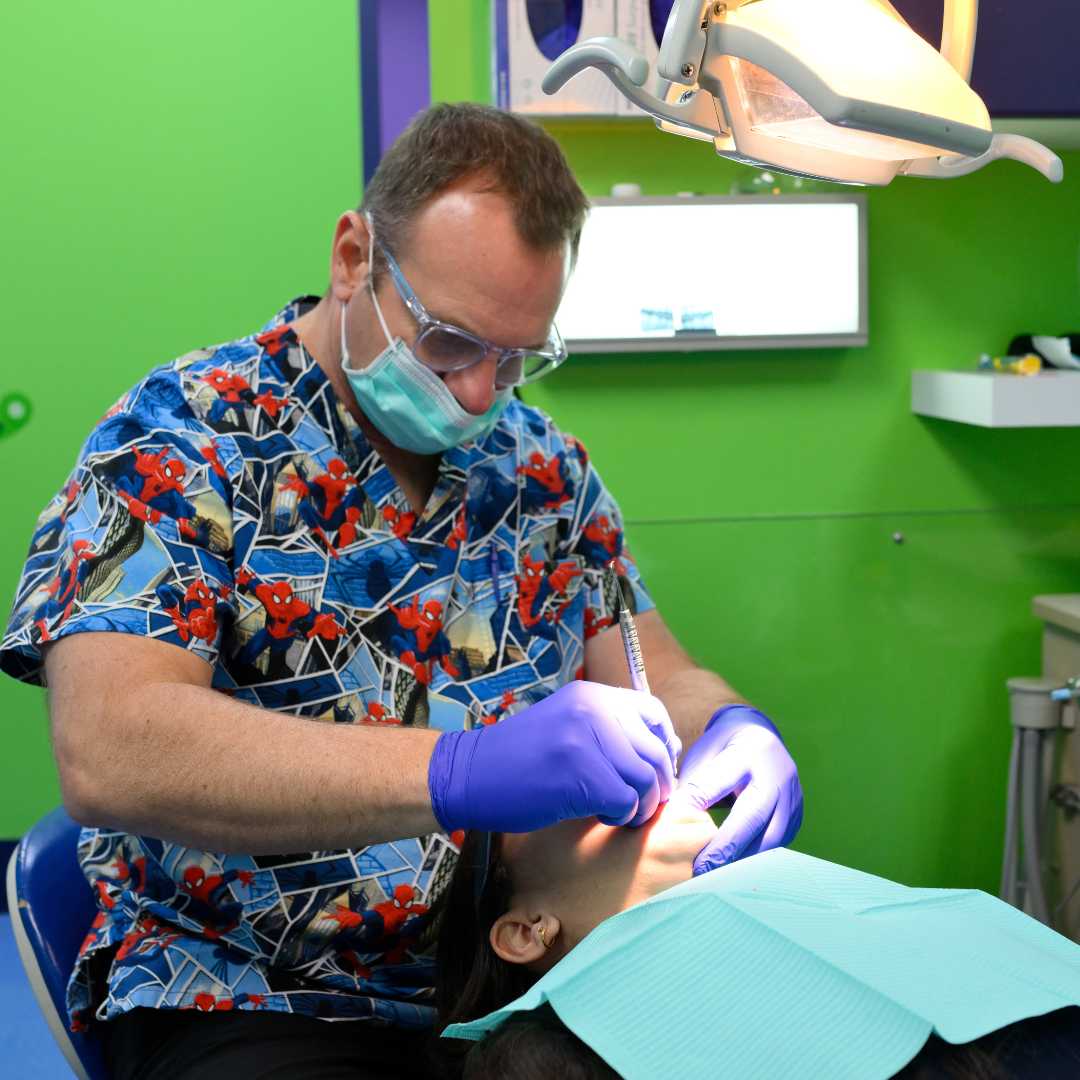
At North Calgary Pediatric Dentistry, Calgary pediatric dentist Dr. Cameron Zealand helps children receive the care they need in a gentle, friendly, and welcoming environment designed specifically for kids.
Because when children feel comfortable, dental care becomes easier for everyone.
Expert Care for Worry-Free Kids.
What Exactly Is a Dental Cavity?
A cavity is a small area of tooth decay caused by bacteria.
Every day, bacteria in the mouth feed on sugars and carbohydrates from foods and drinks. As they digest these sugars, they produce acids.
Those acids slowly weaken the tooth’s protective outer layer (enamel).
Over time, a small hole can form.
That’s a cavity.
Without treatment, cavities continue to grow larger and deeper, eventually reaching the inner layers of the tooth where nerves are located.
This is often when children begin experiencing pain.
The important thing for parents to understand is that cavities do not always hurt right away.
In fact, many cavities develop silently.
That’s one reason regular dental visits are so important.
Signs and Symptoms of Cavities in Kids
Many parents assume their child will immediately complain if they have a cavity.
Unfortunately, that’s not always the case.
Common signs of cavities in children include:
- Tooth sensitivity
- Pain while eating
- Pain when drinking something cold
- Complaints about “food getting stuck”
- White, brown, or black spots on teeth
- Bad breath
- Swollen gums around a tooth
- Difficulty sleeping due to tooth discomfort
- Avoiding certain foods
- Chewing on only one side of the mouth
Sometimes children don’t mention any discomfort at all.
Young children often assume what they are feeling is normal because they have nothing else to compare it to.
That is why routine pediatric dental examinations play such an important role in identifying problems early.
Why Do Kids Get Cavities?
Parents often feel guilty when their child develops a cavity.
The truth is that cavities can happen even in families that work hard to maintain good oral health.
Several factors contribute to childhood cavities:
Frequent Sugary Snacks
Juice, fruit snacks, candy, crackers, sports drinks, and even some seemingly healthy snacks can contribute to tooth decay.
Inadequate Brushing
Young children often lack the dexterity needed to brush thoroughly on their own.
Many parents are surprised to learn they may need to assist brushing longer than expected.
Poor Flossing Habits
Cavities frequently develop between teeth where toothbrushes cannot reach.
Deep Grooves in Teeth
Some children naturally have grooves that trap food and bacteria more easily.
Dry Mouth
Reduced saliva makes it harder for the mouth to naturally wash away bacteria.
Genetics
Some children may simply be more cavity-prone than others.
The key isn’t blame.
The key is identifying risks early and creating solutions that work.
Why Baby Teeth Matter More Than Many Parents Realize
One of the most common misconceptions parents have is:
“They’re just baby teeth.”
While baby teeth eventually fall out, they serve several very important functions.
Baby teeth help children:
- Chew comfortably
- Speak clearly
- Maintain proper spacing for adult teeth
- Develop healthy eating habits
- Build self-confidence
When baby teeth are lost too early because of untreated cavities, future dental problems can sometimes develop.
That’s why treating cavities in baby teeth is often very important.
Healthy baby teeth help create healthy adult smiles.
How NCPD Helps Kids with Cavities
At North Calgary Pediatric Dentistry, the goal is never simply to fix a tooth.
The goal is to help children have a positive experience while protecting their oral health.
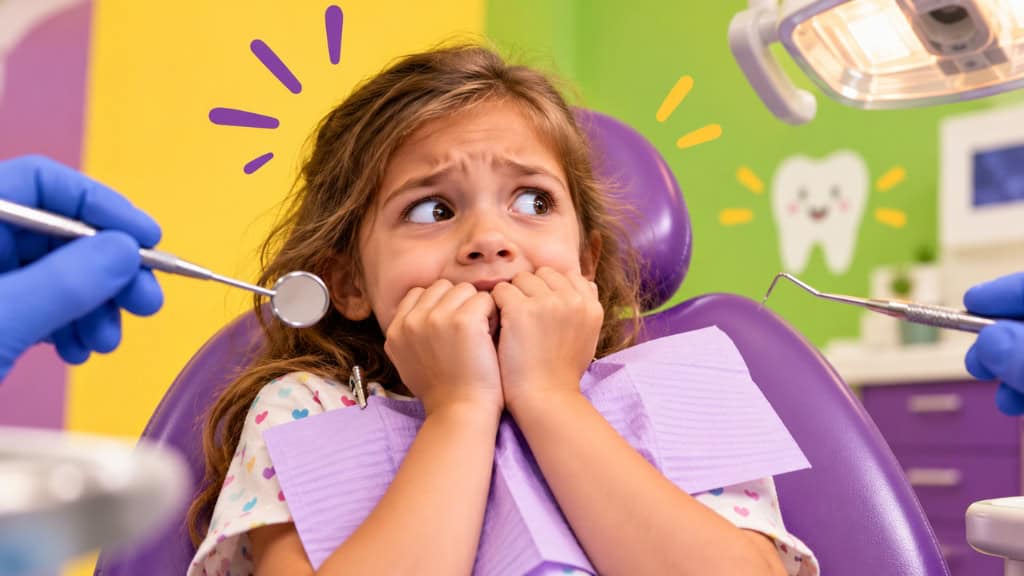
Dr. Cam understands that many children feel nervous about dental treatment.
Parents often arrive feeling nervous too.
That’s why every effort is made to create a calm, supportive, and child-friendly environment.
Children are greeted warmly.
Questions are encouraged.
Procedures are explained in age-appropriate ways.
And treatment is performed with a gentle touch.
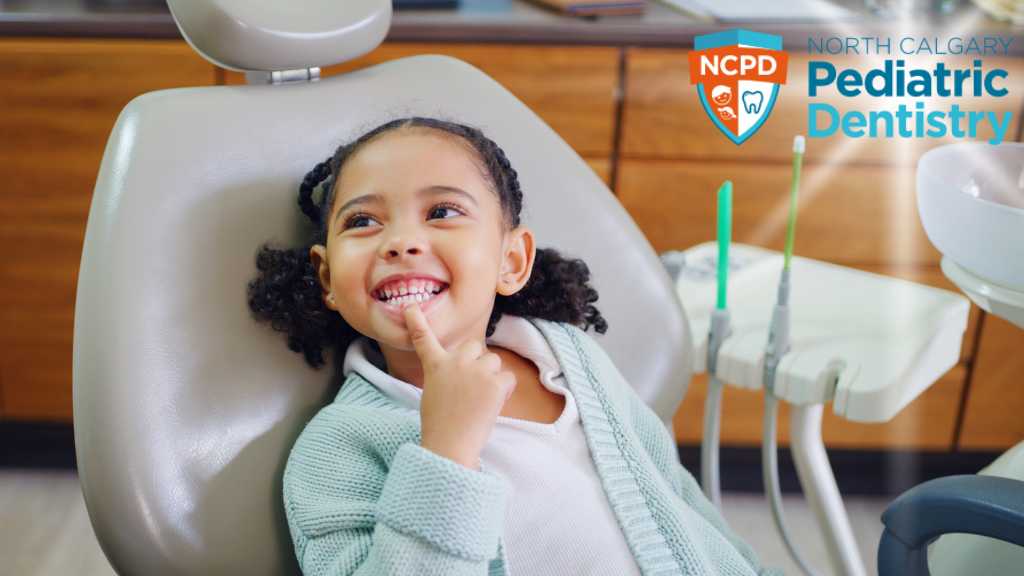
Many families are pleasantly surprised by how relaxed their child feels during treatment.
Because when kids feel safe, they are much more likely to cooperate and develop positive feelings about dental care.
Common Treatments for Cavities in Kids
Depending on the size and location of the cavity, treatment may include:
Tooth-Coloured Fillings
Small cavities can often be repaired with natural-looking fillings that blend in with the tooth.
Preventive Treatments
Very early areas of decay may sometimes be monitored or treated before they become larger problems.
Dental Crowns
For larger cavities in baby teeth, pediatric crowns may be recommended to protect the tooth.
Education and Prevention
One of the most important parts of treatment involves helping children and parents reduce future cavity risk.
After all, preventing the next cavity is just as important as treating the current one.
Common Questions Parents Ask About Cavities
Can cavities heal on their own?
Unfortunately, once a true cavity forms, it generally does not repair itself. Early treatment usually prevents bigger problems later.
Are cavities painful?
Not always. Many cavities cause little or no discomfort until they become larger.
Will my child need freezing?
Some fillings require local anesthetic, but Dr. Cam takes a gentle approach to help children feel comfortable throughout treatment.
Can cavities spread?
The decay itself doesn’t jump from tooth to tooth, but the same bacteria and habits that caused one cavity can contribute to others developing.
How often should my child see the dentist?
Most children benefit from regular dental examinations every six months.
Are cavities an emergency?
Not usually. However, cavities should not be ignored because they generally become larger over time.
Can cavities affect adult teeth?
Untreated decay can sometimes impact developing teeth and oral health, making early treatment important.
Helping Children Build Lifelong Healthy Habits
One of the greatest benefits of pediatric dentistry isn’t simply repairing teeth.
It’s helping children build confidence.
Children who have positive dental experiences are more likely to:
- Brush regularly
- Floss consistently
- Attend routine dental visits
- Feel comfortable asking questions
- Maintain healthier smiles throughout life
That confidence starts early.
And it starts with experiences that are educational, supportive, and even fun.
At North Calgary Pediatric Dentistry, helping children feel successful is every bit as important as helping them feel comfortable.
Because healthy habits grow when kids feel encouraged—not scared.
Don’t Wait Until a Small Cavity Becomes a Big Problem
Most parents don’t intentionally delay dental care.
Life gets busy.
Schedules fill up.
Symptoms come and go.
It’s easy to hope a small problem will simply disappear.
Unfortunately, cavities rarely work that way.
Small cavities often become larger cavities.
Larger cavities often require more treatment.
The earlier a cavity is found, the easier treatment is likely to be.
If you suspect your child may have a cavity—or if it’s simply time for a checkup—Dr. Cameron Zealand and the friendly team at North Calgary Pediatric Dentistry are here to help.
With a gentle approach, a welcoming environment, and a commitment to helping children feel safe and confident, NCPD helps families protect healthy smiles every day.
Don’t risk sad smiles.
Choose healthy, confident smiles instead.
And remember: waiting almost always makes dental problems worse.